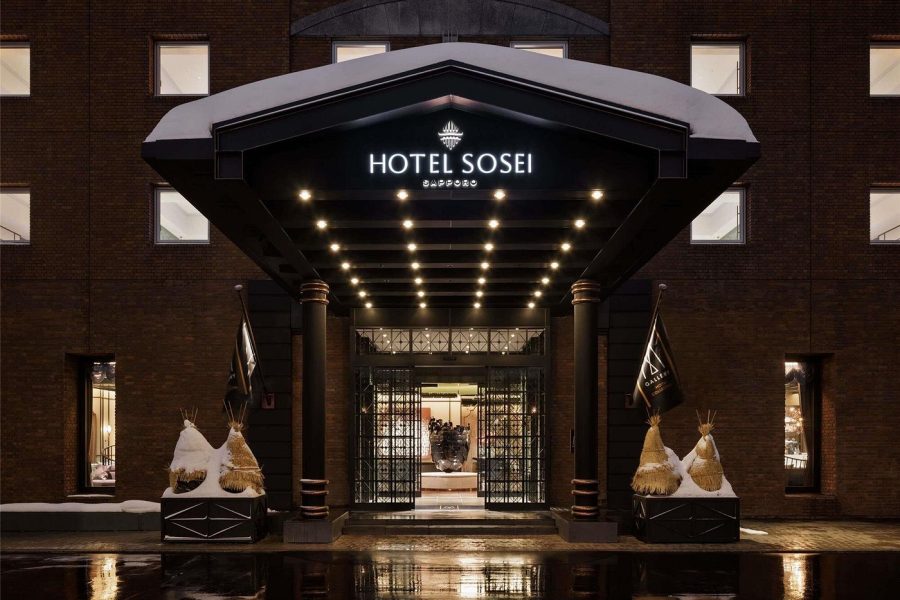
Luxury Hotels & Villas in Sapporo, Japan

Sapporo, Japan​​ FAQ

Sapporo combines modern city infrastructure with immediate access to nature and regional gastronomy. Luxury travellers use the city as a refined base, staying at properties such as JR Tower Hotel Nikko Sapporo, which offers elevated views and seamless rail connectivity.

Unlike Japan’s megacities, Sapporo offers space, cleaner air, and a slower rhythm, while maintaining high dining and service standards. Luxury here feels relaxed and functional rather than ceremonial.

Sapporo appeals to food-focused travellers, winter city visitors, business-class travellers, and those combining urban comfort with regional exploration across Hokkaido.

Yes. Many guests stay 2–4 nights, using Sapporo as an entry or exit point before travelling onward to Niseko, Otaru, or Lake Toya.

Luxury hotels in Sapporo prioritise location, room size, and operational efficiency. JR Tower Hotel Nikko Sapporo is widely regarded as the city’s benchmark for high-end urban stays, with panoramic rooms and a destination spa.

Yes. Sapporo hosts globally recognised brands, including Park Hyatt Niseko Hanazono nearby regionally, while city hotels focus on Japanese-led luxury and refined service rather than resort branding.

Standalone villas are rare within the city. High-end travellers typically choose premium suites or serviced residences rather than detached villas.

Rooms are generally more spacious, service is highly efficient, and the atmosphere is calmer. The focus is on comfort and function rather than prestige visibility.

Less so than in Tokyo or Kyoto. Sapporo’s luxury segment is hotel-led rather than boutique-driven, reflecting its role as a regional capital.

Exceptional. Sapporo is considered Japan’s culinary capital for ingredients, especially seafood, lamb (jingisukan), dairy, and seasonal produce. Luxury hotels often collaborate with leading local suppliers.

Yes. High-end hotels host refined Japanese and international dining venues, while concierges secure reservations at hard-to-book sushi and kaiseki restaurants across the city.

Yes. City luxury hotels often feature large onsen-style spas, panoramic baths, and wellness floors, ideal after winter travel or business days.

Select hotels offer private spa rooms or reservable bathing times, ensuring discretion for high-profile guests.

Concierges arrange private food tours, whisky tastings, Mount Moiwa night-view access, and chauffeured excursions to nearby destinations such as Otaru or Yoichi.

Premium hotels are concentrated around Sapporo Station, Odori Park, and Susukino, offering walkability and easy winter logistics.

Yes. Sapporo functions as Hokkaido’s logistical hub, with rail and road access to Niseko, Otaru, Furano, and Lake Toya.

Yes, particularly for food, winter festivals, and short city breaks, though many travellers combine it with a nature-based extension.

Sapporo is served by New Chitose Airport, approximately 45–60 minutes from the city by private transfer or express train.

Yes. Large hotels, private floors, and efficient service make Sapporo suitable for privacy-sensitive guests.

Yes. Spacious rooms, excellent infrastructure, and seasonal attractions make Sapporo comfortable for families and multigenerational travel.

Stories, tips, and guides

How Many Tourists Visit Japan Each Year? [Japan Tourism Statistics]

Japan’s tourism industry has made a record-breaking comeback after the…

How Many Tourists Visit Tokyo Each Year? [30+ Tokyo Tourism Statistics]

Tokyo isn’t just the capital of Japan—it ranks as the…

25+ Solo Travel Statistics and Trends [2026 Edition]

Solo travel has shifted from being a niche activity to…

20 + Cherry Blossom Tourism Statistics [2026 Update]

Cherry blossom travel is surging on both sides of the…
swimming pool

Join the Hotelagio Private List

Discover exceptional hotels and villas selected and shared only with subscribers