

Generation Alpha is the first cohort born entirely in the 21st century.
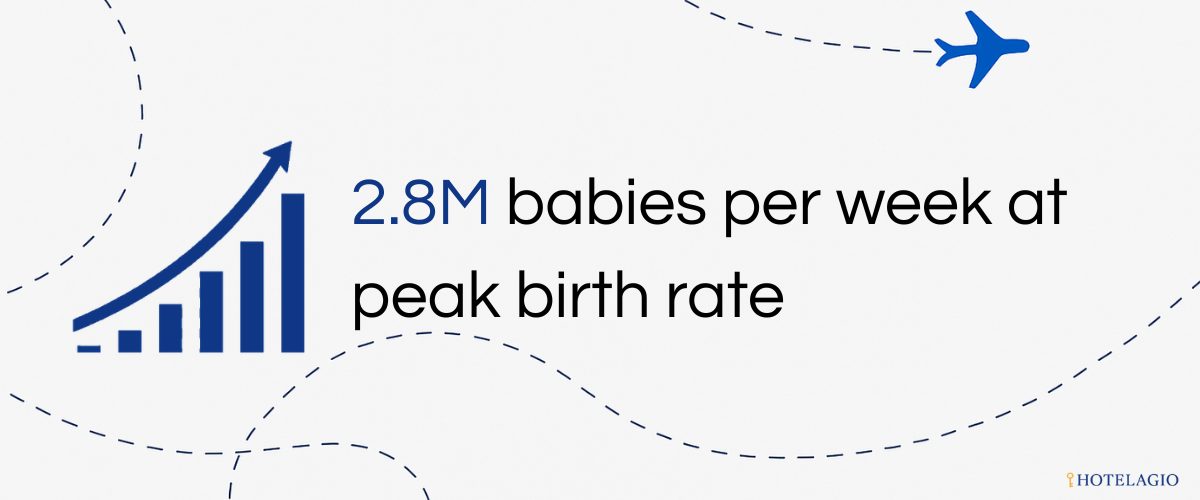
Defined by most researchers as those born from 2010 to 2024, they now number roughly two billion worldwide. More than 2.8 million Gen Alpha babies were being born each week at the peak, and by 2025 the generation was essentially complete.
They are growing up in a mobile-first world with unprecedented access to devices and media.
In the United States, nearly half of tweens own a smartphone; in the United Kingdom, two-thirds of children use social media by the time they reach upper primary school.
Global connectivity is improving, but meaningful gaps remain, especially for younger children.
Key Generation Alpha Stats
- Generation Alpha includes children born roughly between 2010 and 2024 (or 2025, depending on source).
- By 2025, Generation Alpha is expected to number around 2 billion individuals worldwide, making them, at present, the largest generation in history.
- Gen Alpha children are the first generation born entirely in the 21st century, growing up surrounded by smartphones, tablets, social media, streaming services and constant connectivity.
- Early data suggest many Gen Alpha children spend substantial daily screen time (smartphones, tablets, smart TVs, etc.), with digital media forming a core part of their upbringing.
- A majority of Gen Alpha are predicted to be highly educated, more than half are expected to earn a university degree.
- As they mature, Gen Alpha is forecast to become one of the wealthiest generations ever, due to global economic growth, smaller family sizes, and rising life expectancy.
- In many markets, Gen Alpha already exerts significant consumer influence — as “digital-native kids,” they shape household trends, preferences for tech gadgets, streaming, toys, games, and e-commerce.
- Their parents are mostly Millennials, which means Gen Alpha is raised in families familiar with rapid technological change, bridging between older digital-savvy parents and a fully connected childhood.
- Many analysts expect Gen Alpha to enter workforce in the 2030s, and to form households later than previous generations, which may influence global demographic and economic patterns.
- Because of global population shifts, most growth in Gen Alpha is concentrated in Asia and Africa, regions with higher fertility rates — which affects distribution, diversity and future social dynamics.
How big is Generation Alpha and where do they live
Most demographers place Gen Alpha’s birth window at 2010–2024.
McCrindle, which popularized the term, projects almost two billion members when the cohort is fully born.
Wikipedia’s live-updated overview notes Gen Alpha exceeded two billion by 2024. Population growth is concentrated in Asia and Africa, while many Western countries face sub-replacement fertility.
In the United States, the under-18 population edged down between 2023 and 2024 even as the 65+ population grew, highlighting the aging structure Gen Alpha will inherit.
What does Gen Alpha’s digital life look like
Smartphone access arrives early. In the U.S., 43 percent of tweens have their own phone, rising above 88 percent by the teen years. Common Sense’s research continues to show phones as a rite of passage and a primary media hub.
In the UK, Ofcom reports that 68 percent of children aged 3–17 use social media, with a clear age gradient. More than half of 3–12s use social apps or sites despite most platforms setting a minimum age of 13. External analysis of the Ofcom data suggests that more than one-third of UK children aged 3–5 are already using social media.
UNICEF’s global brief underscores the equity challenge. While connectivity has improved in many regions, as many as one in five children in wealthier countries still lacks home internet by age 10, and consistent, comparable data for younger cohorts remain scarce.
Device and social media snapshot
| Indicator | Latest figure | Geography |
|---|---|---|
| Tweens with own smartphone | 43 percent | United States |
| Teens with own smartphone | 88–95 percent | United States |
| Children using social media | 68 percent of 3–17s | United Kingdom |
| 3–12s using social media | 55 percent | United Kingdom |
| 3–5s using social media | 37 percent | United Kingdom |
How much do Gen Alpha kids influence household spending
Multiple 2024–2025 studies find large sway over family purchases.
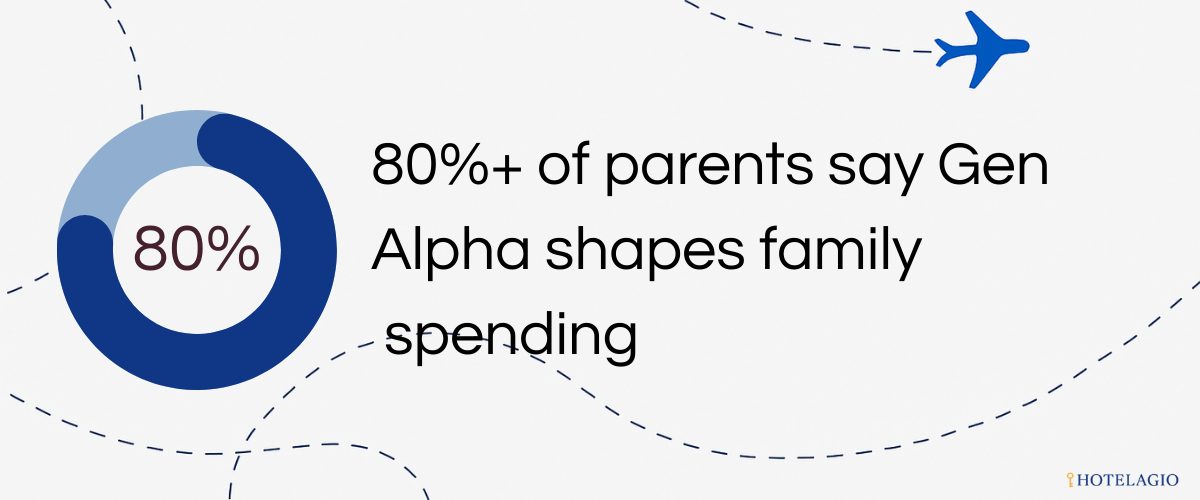
L.E.K. Consulting reports more than 80 percent of parents say their Gen Alpha children shape spending across categories like food, personal care, and entertainment, with very high device familiarity helping kids discover brands.
A 2024–2025 marketing insights series puts the median parent’s estimate at about half of spending being influenced by their child’s opinions. Additional 2025 retail surveys in the U.S. peg direct Gen Alpha spending near the $100 billion range, with substantial influence beyond that.
These are survey-based measures, but they consistently point to strong household impact.
Household influence indicators
| Measure | Finding | Year |
|---|---|---|
| Parents saying Gen Alpha shapes family spend | 80 percent plus | 2025 |
| Share of household spend parents say is influenced | Median 49 percent | 2024 |
| U.S. direct spending power estimate | About $100 billion | 2025 |
Sources note: L.E.K. Consulting 2025; DKC 2024; Chain Store Age summary of 2025 survey.
What are the policy and well-being issues to watch
Screen time and social media access for younger children are front-burner topics.
The UK’s Ofcom and related analyses show rising use among children under 13, while regulators in several markets are tightening rules, auditing age-assurance, and pressuring platforms to better protect minors.
UNICEF emphasizes that connectivity gaps persist and that comparable, global data on children’s home internet access are still limited for younger ages.
In the U.S., macro demographics are shifting toward an older society, with Gen Alpha growing up in households balancing child needs with elder care.
FAQ: Generation Alpha
What years are Generation Alpha?
Most researchers set Gen Alpha as 2010 to 2024 births.
How big is Generation Alpha globally?
Approximately two billion people by 2025, making it one of the largest cohorts in history.
How many kids have smartphones?
In the U.S., 43 percent of tweens and roughly nine in ten teens own a smartphone.
How many kids use social media?
In the UK, 68 percent of children aged 3–17 use social media; 55 percent of 3–12s do so. Analysis of Ofcom data suggests 37 percent of 3–5s.
Do Gen Alpha kids influence what families buy?
Yes. Surveyed parents consistently report large influence, with median estimates around half of household spending shaped by children’s preferences.
Sources
- McCrindle — Generation Alpha Defined
- Wikipedia — Generation Alpha
- Common Sense Media — A Week in the Life of a Young Person’s Smartphone Use
- Ofcom — Children and Parents: Media Use and Attitudes Report 2025
- Centre for Social Justice — Under-5s Using Social Media (Ofcom-based analysis)
- UNICEF Innocenti — Childhood in a Digital World
- U.S. Census Bureau — Children: Population and Trends
- L.E.K. Consulting — The Alpha Influence (2025)
- DKC — Gen Alpha Insights: The Gateway Generation (2024)
- Chain Store Age — Study: Gen Alpha Spending Power Hits $100B (2025)

0 Comment