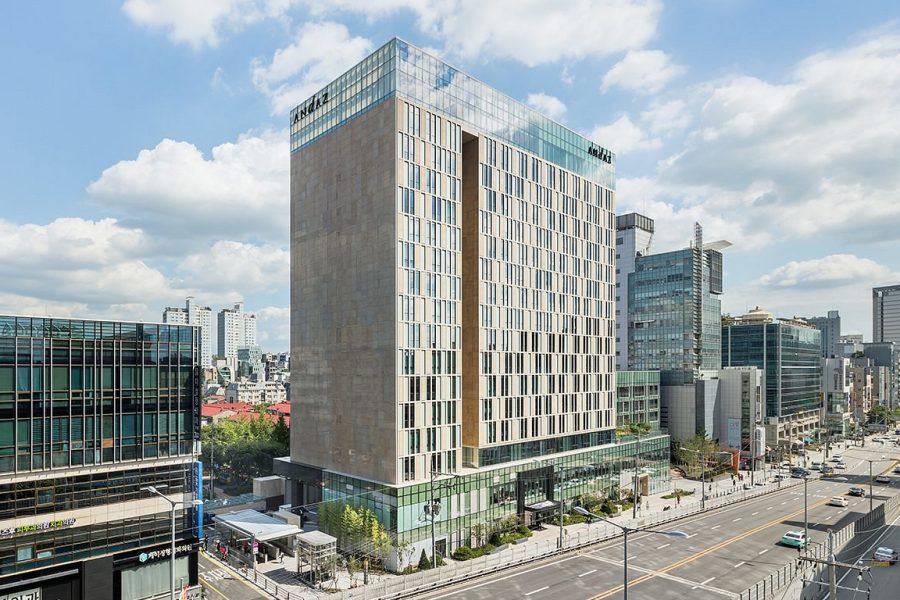
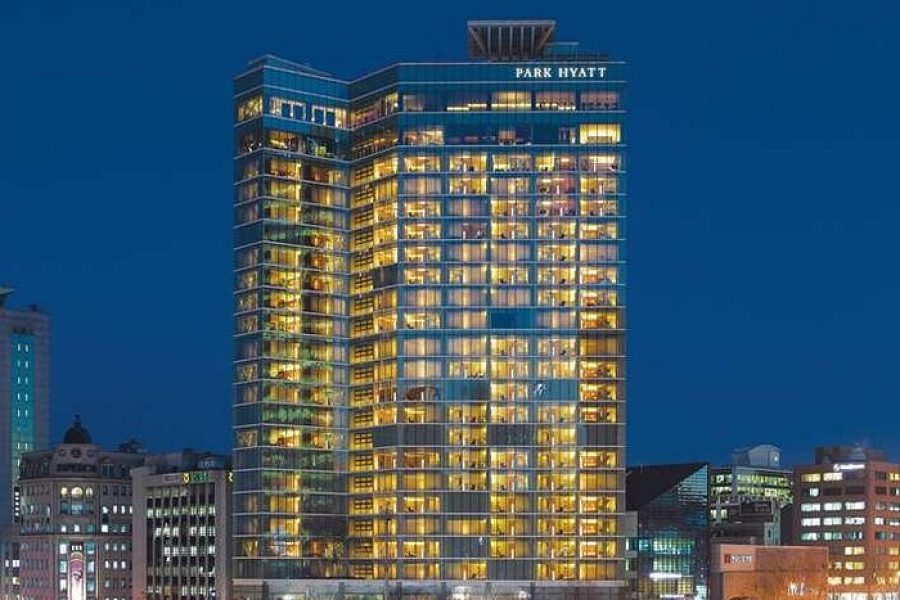
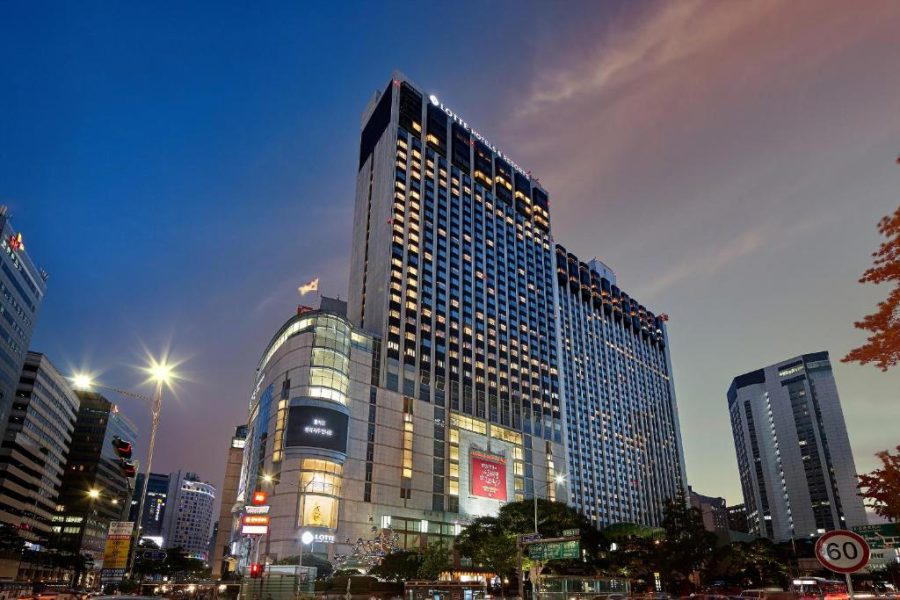
Luxury Hotels & Villas in Seoul, South Korea

Seoul FAQ

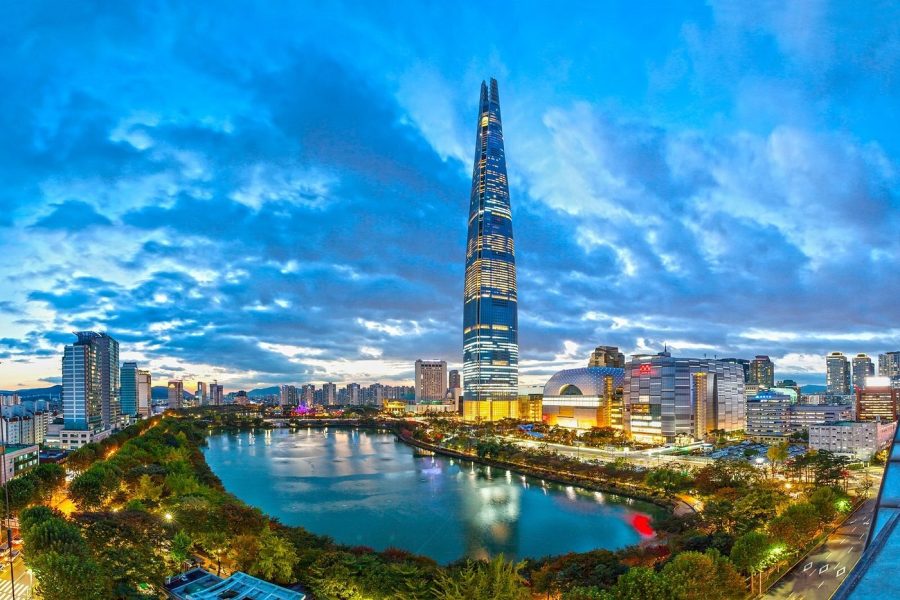
Seoul combines cutting-edge design, cultural depth, and 24-hour urban energy with exceptional safety and infrastructure. Landmark properties such as Signiel Seoul, located in Lotte World Tower, offer panoramic views that rival any global skyline.

Tokyo emphasises ritual and refinement; Hong Kong prioritises density and finance. Seoul delivers contemporary creativity and momentum, with luxury experiences rooted in fashion, gastronomy, and design rather than tradition alone.

Seoul appeals to well-travelled urban explorers, design-led travellers, food-driven guests, and luxury shoppers seeking a fast-paced but highly polished city experience.

Yes. Many travellers stay 2–4 nights, combining dining, shopping, culture, and spa experiences without long internal travel.

Luxury in Seoul is defined by vertical scale, location strategy, and service efficiency. Four Seasons Hotel Seoul sets a benchmark with spacious rooms, a destination spa, and immediate access to historic and business districts.

Yes. Seoul hosts a strong portfolio of global five-star and ultra-luxury brands, particularly in Jongno, Gangnam, and Jamsil, delivering consistent international standards.

Standalone villas are extremely rare within the city. High-end travellers typically choose executive suites or serviced luxury residences, particularly in Gangnam and Yeouido.

Seoul hotels are generally newer, more technology-integrated, and design-forward, with slightly less formality and a stronger focus on comfort and efficiency.

Yes. Seoul has a growing number of design-led boutique hotels, especially in Gangnam and Hannam-dong, catering to a fashion- and art-conscious clientele.

Exceptional. Seoul is a global leader in modern Korean fine dining, with luxury hotels and independent restaurants offering tasting menus that reinterpret traditional flavours at a Michelin-star level.

Yes. Many luxury hotels host chef-driven Korean and international restaurants that attract local patrons as much as hotel guests.

Yes. Leading hotels feature large spa floors, advanced fitness facilities, and jjimjilbang-inspired thermal areas, blending Korean wellness traditions with modern spa design.

Yes. Premium properties offer private spa suites, reservable sauna facilities, and in-room treatments, ideal for discretion-focused guests.

Concierges arrange private palace tours, curated K-fashion shopping in Apgujeong, bespoke K-beauty consultations, and chef-led dining itineraries across the city.

Key luxury zones include: Gangnam – fashion, nightlife, and premium residences Jongno / Gwanghwamun – cultural landmarks and flagship hotels Jamsil – skyline views and modern developments Yeouido – financial district with riverfront calm

Yes. Guests can pair palaces and museums by day with modern dining, shopping, and spa experiences by night without changing neighbourhoods.

Both. Seoul works as a standalone luxury city destination or as a hub for travel to Busan or Jeju Island.

Seoul is served by Incheon International Airport, offering VIP arrival services and efficient private transfers to city hotels.

Yes. Strong security, controlled-access hotels, and discreet service culture make Seoul suitable for executives and public figures.

Yes. Large suites, safety, and child-friendly services make Seoul comfortable for multigenerational luxury travel.

Stories, tips, and guides

How Many Tourists Visit South Korea Each Year? [South Korea Tourism Statistics]

South Korea has become one of the world’s most dynamic…

40+ Booking.com Statistics [2026]

Booking.com remains one of the world’s most-used travel marketplaces. In…

30+ Vrbo Statistics [2026]

Vrbo, part of Expedia Group, remains one of the world’s…

40+ Screen Time Statistics [2026]

Screen time has become one of the defining behavioral markers…
swimming pool

Join the Hotelagio Private List

Discover exceptional hotels and villas selected and shared only with subscribers