Luxury Hotels & Villas in Osaka, Japan

Stories, tips, and guides

How Many Tourists Visit Japan Each Year? [Japan Tourism Statistics]

Japan’s tourism industry has made a record-breaking comeback after the…

How Many Tourists Visit Tokyo Each Year? [30+ Tokyo Tourism Statistics]

Tokyo isn’t just the capital of Japan—it ranks as the…

25+ Solo Travel Statistics and Trends [2026 Edition]

Solo travel has shifted from being a niche activity to…

20 + Cherry Blossom Tourism Statistics [2026 Update]

Cherry blossom travel is surging on both sides of the…

Osaka, Japan​ FAQ

Osaka functions as western Japan’s commercial and culinary centre, offering international-standard hotels, excellent transport connectivity, and one of Asia’s most dynamic food scenes. Properties such as Conrad Osaka, occupying the upper floors of a Nakanoshima tower, exemplify Osaka’s vertical, design-led luxury.

Kyoto focuses on heritage and ritual; Osaka delivers efficiency, scale, and contemporary comfort. Luxury in Osaka is hotel-led and urban, making it ideal for travellers who prioritise dining access and logistics over historical immersion.

Osaka appeals to business-class travellers, food-focused guests, and those seeking a polished city base while exploring Kansai, without the formality of heritage destinations.

Yes. Many guests stay 2–4 nights, often using Osaka as an arrival or departure hub combined with Kyoto, Kobe, or Nara.

Luxury hotels in Osaka are defined by views, room size, service efficiency, and dining infrastructure. Conrad Osaka is widely considered the city’s benchmark, offering panoramic river and skyline views with contemporary five-star service.

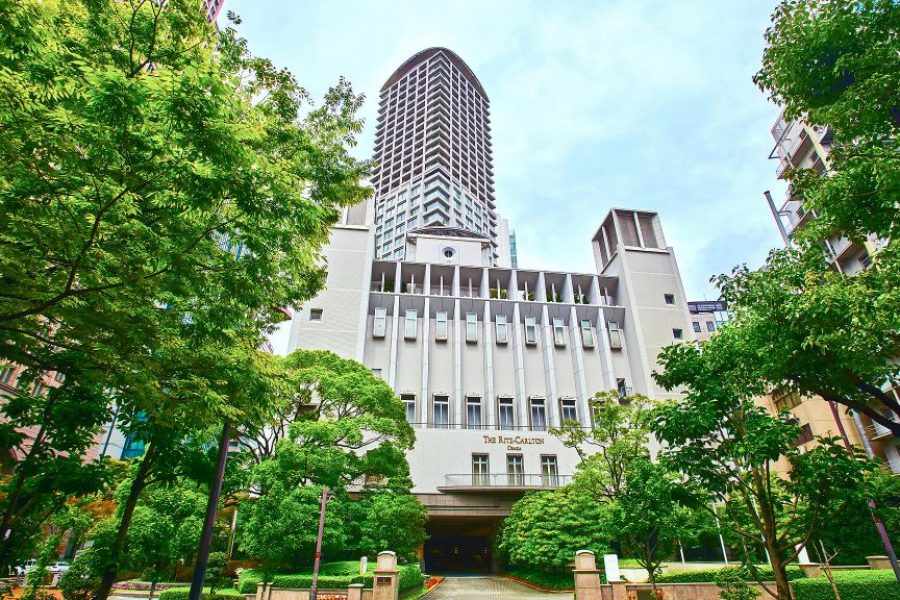
Yes. Osaka hosts leading global brands, including The Ritz-Carlton Osaka, which delivers classic European-style luxury in the Umeda district.

Standalone villas are extremely rare within the city. High-end travellers typically choose executive suites, branded residences, or serviced apartments rather than detached villas.

Rooms are often more spacious and better value, with a slightly less formal atmosphere. Service standards remain consistently high, particularly in international brands.

Less so than in Kyoto or Tokyo. Osaka’s luxury segment is dominated by large, full-service hotels, reflecting its business and transit role.

Exceptional. Osaka is widely regarded as Japan’s kitchen, with unparalleled access to fine dining, from Michelin-starred restaurants to elite sushi and kappo counters.

Yes. High-end hotels host chef-led Japanese and international restaurants, while concierges secure reservations at some of Kansai’s most difficult-to-book dining rooms.

Yes, particularly in high-rise hotels. Many properties feature destination spas, indoor pools, and panoramic fitness centres, ideal for recovery after travel or business.

Select hotels offer private spa suites or reservable treatment rooms, ensuring discretion for high-profile guests.

Concierges arrange private food tours, omakase dining experiences, river cruises, and chauffeured day trips to Kyoto, Kobe, or Nara.

Yes. Osaka offers the best rail connectivity in Kansai, making it an efficient base for Kyoto, Kobe, Nara, and Himeji.

Yes, particularly for dining-led city breaks, though many travellers combine it with Kyoto or Kobe for contrast.

Osaka is served by Kansai International Airport (KIX) and Itami Airport, with private transfers and express trains providing smooth access to the city.

Yes. Large hotels, private floors, and efficient concierge teams support privacy-sensitive guests, particularly business travellers.

It can be, especially in large suites or serviced apartments, though the destination is more adult- and dining-oriented than leisure-focused.

Yes. Business hotels and high-rise luxury properties naturally attract an adult, professional clientele, especially outside school holidays.
swimming pool

Join the Hotelagio Private List

Discover exceptional hotels and villas selected and shared only with subscribers