Luxury Hotels & Villas in Kansai, Japan

Kansai, Japan​​ FAQ

Kansai concentrates Japan’s deepest historical and culinary capital within a compact region. Travellers can combine Kyoto heritage at The Ritz-Carlton Kyoto, Osaka’s contemporary dining scene, and Kobe’s waterfront elegance with minimal transfers.

Tokyo represents modern scale and innovation; Kansai delivers heritage, ritual, and regional identity. Luxury in Kansai is quieter and more context-driven, often centred on ryokan traditions and neighbourhood-level refinement.

Kansai appeals to well-travelled guests, couples, and repeat visitors to Japan seeking cultural immersion, refined dining, and understated service rather than spectacle.

Yes. Kyoto, Osaka, Nara, and Kobe are linked by short rail journeys, making Kansai ideal for seamless, slow-moving luxury itineraries without frequent hotel changes.

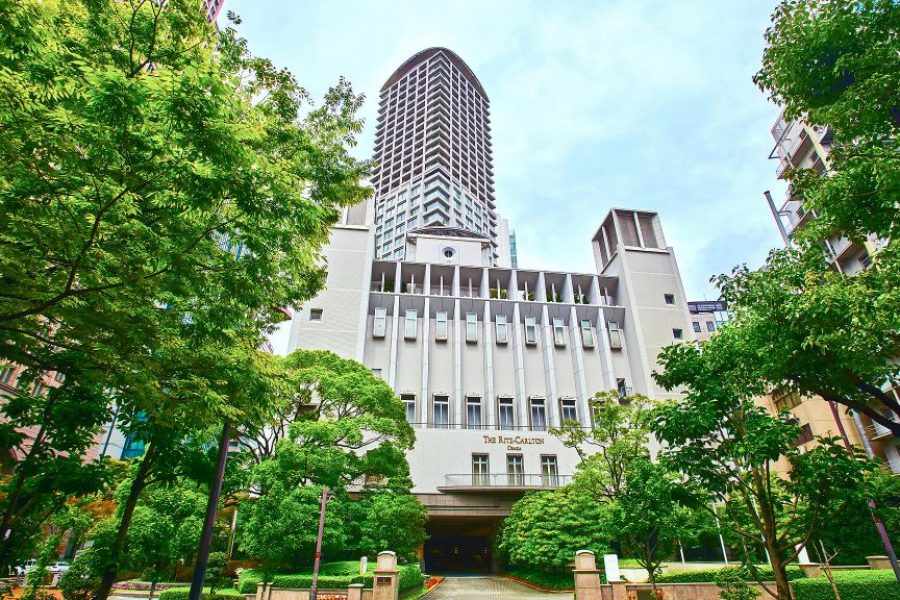
Luxury in Kansai is defined by location, architecture, and service discretion. In Kyoto, The Ritz-Carlton Kyoto offers riverfront calm and refined interiors, while ryokan provide deeply personal hospitality.

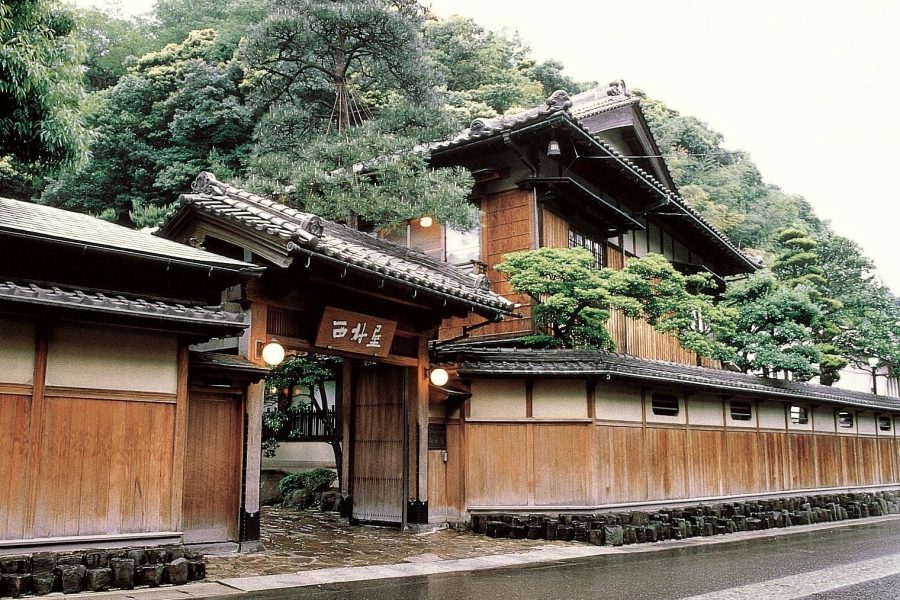
Yes, particularly in Kyoto and Nara. Many travellers prioritise ryokan stays with tatami suites, private baths, and kaiseki dining over conventional hotel formats.

Standalone villas are limited within historic cities, but villa-style suites, machiya townhouses, and serviced residences are available, especially in Kyoto’s quieter districts.

How do Kansai’s luxury properties compare to five-star hotels elsewhere in Japan?

Very. Kansai excels in small, design-led luxury hotels and ryokan, often with fewer than 50 rooms and high staff-to-guest ratios.

Exceptional. Kyoto is a global centre for kaiseki cuisine, Osaka is known as Japan’s culinary capital, and Kobe offers world-famous wagyu beef experiences.

Yes. Concierge teams routinely secure reservations at high-demand kaiseki and sushi counters, including private dining rooms for discreet experiences.

Yes, though subtle. Wellness is expressed through onsen bathing, spa rituals, gardens, and pacing, rather than large-scale wellness resorts.

Select ryokan and luxury hotels offer private baths, reservable spa suites, and in-room treatments, particularly in Kyoto’s high-end properties.

Hotels arrange private temple access, tea ceremonies, artisan workshops, and after-hours cultural visits, often led by expert guides.

Both. Many travellers stay 4–6 nights in Kyoto, adding short excursions to Nara or Osaka rather than relocating hotels.

Yes. Travellers often combine Kyoto ryokan stays with Osaka city hotels, balancing calm and energy.

Kansai is served by Kansai International Airport (KIX) and Osaka Itami Airport, with direct rail links to Kyoto, Osaka, and Kobe.

Yes. Boutique properties, private entrances, and experienced concierge teams support privacy-sensitive guests.

It can be, particularly for families with older children interested in history, food, and culture. Larger suites and connecting rooms are available at select hotels.

For peak seasons and premium properties, 3–6 months’ advance booking is recommended; iconic ryokan may require longer

Stories, tips, and guides

How Many Tourists Visit Japan Each Year? [Japan Tourism Statistics]

Japan’s tourism industry has made a record-breaking comeback after the…

How Many Tourists Visit Tokyo Each Year? [30+ Tokyo Tourism Statistics]

Tokyo isn’t just the capital of Japan—it ranks as the…

25+ Solo Travel Statistics and Trends [2026 Edition]

Solo travel has shifted from being a niche activity to…

20 + Cherry Blossom Tourism Statistics [2026 Update]

Cherry blossom travel is surging on both sides of the…
swimming pool

Join the Hotelagio Private List

Discover exceptional hotels and villas selected and shared only with subscribers