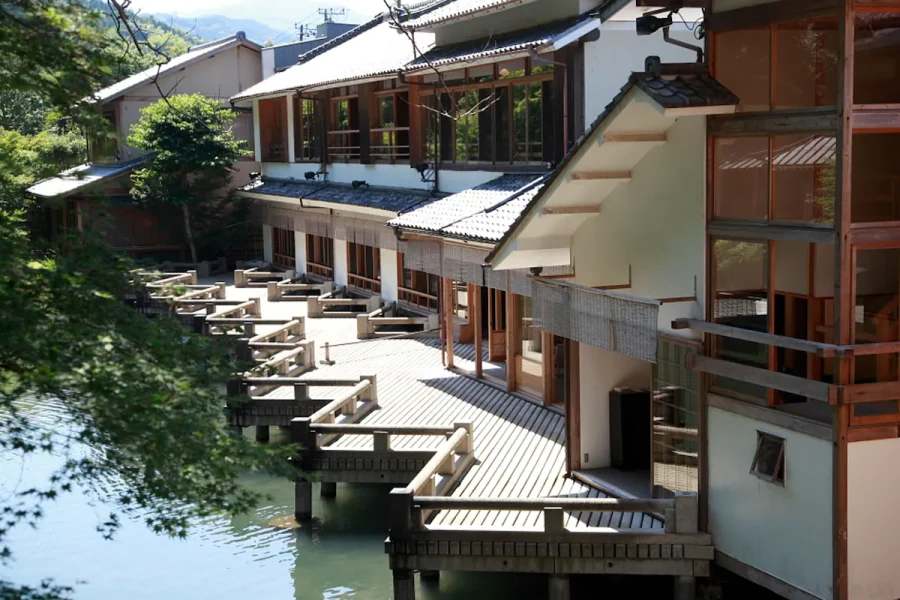
Luxury Hotels & Villas in Chubu, Japan

Chubu, Japan​ FAQ

Chubu sits at the heart of Honshu, encompassing the Japanese Alps, historic post towns, and thermal hot spring valleys. Luxury here is understated and nature-led, exemplified by properties such as Hoshinoya Karuizawa, where architecture blends into forested landscapes rather than dominating them.

Unlike urban Tokyo or heritage-heavy Kyoto, Chubu offers spatial luxury and silence. The experience centres on mountains, rivers, and seasonal rhythm rather than museums or shopping districts.

Chubu appeals to repeat visitors to Japan, wellness-focused travellers, couples, and high-net-worth individuals seeking calm, privacy, and immersion in nature.

Yes. Many guests choose Chubu specifically for multi-night stays in a single ryokan or villa, structuring days around bathing, walking, dining, and rest.

Luxury in Chubu is defined by ryokan hospitality, natural settings, and meticulous service. At Hoshinoya Karuizawa, villas are arranged around streams and forests, each with private bathing and seasonal cuisine.

Yes. Chubu is one of Japan’s strongest regions for high-end ryokan, often featuring tatami suites, private onsen, and personalised kaiseki dining.

Yes, particularly in Karuizawa, Hakuba, and alpine resort areas, where luxury villas offer private baths, fireplaces, and discreet service for extended stays.

Service precision often exceeds urban five-star standards, while the focus shifts from amenities to experience quality, space, and atmosphere.

Very. Many properties operate with fewer than 50 rooms, ensuring high staff-to-guest ratios and a deeply personal approach.

Onsen culture is fundamental. Many luxury properties are built around natural hot springs, offering private or reservable baths integrated into daily routines.

Yes. Many premium suites include in-room open-air baths, while others provide private bathing times for complete discretion.

Dining is a highlight. Kaiseki meals focus on mountain vegetables, river fish, wagyu, and seasonal produce, often sourced locally and presented as multi-course experiences.

Yes. Guests can enjoy in-room kaiseki service or private tatami dining, particularly at ryokan catering to honeymooners or special occasions.

Concierges organise guided alpine walks, private craft workshops, forest bathing, and cultural visits to post towns such as Magome and Tsumago.

Yes. Hakuba offers world-class skiing, while onsen towns provide winter bathing and snow-view experiences highly prized by luxury travellers.

Very much so. Autumn foliage and spring greenery are particularly popular, often preferred over busier cherry blossom periods elsewhere in Japan.

Chubu is easily accessed via Tokyo by Shinkansen, with onward travel by private car or hotel-arranged transfer to mountain and onsen destinations.

Yes. Low-density properties, private baths, and remote locations make Chubu ideal for privacy-sensitive guests.

It can be, particularly in villa-style accommodation. However, many ryokan naturally attract adult travellers due to quiet atmospheres and dining structure.

Yes. Many ryokan and wellness retreats in Chubu are implicitly adult-focused, emphasising silence, ritual, and restorative time.

Stories, tips, and guides

How Many Tourists Visit Japan Each Year? [Japan Tourism Statistics]

Japan’s tourism industry has made a record-breaking comeback after the…

How Many Tourists Visit Tokyo Each Year? [30+ Tokyo Tourism Statistics]

Tokyo isn’t just the capital of Japan—it ranks as the…

25+ Solo Travel Statistics and Trends [2026 Edition]

Solo travel has shifted from being a niche activity to…

20 + Cherry Blossom Tourism Statistics [2026 Update]

Cherry blossom travel is surging on both sides of the…
swimming pool

Join the Hotelagio Private List

Discover exceptional hotels and villas selected and shared only with subscribers