Luxury Hotels & Villas in Japan

Japan FAQ

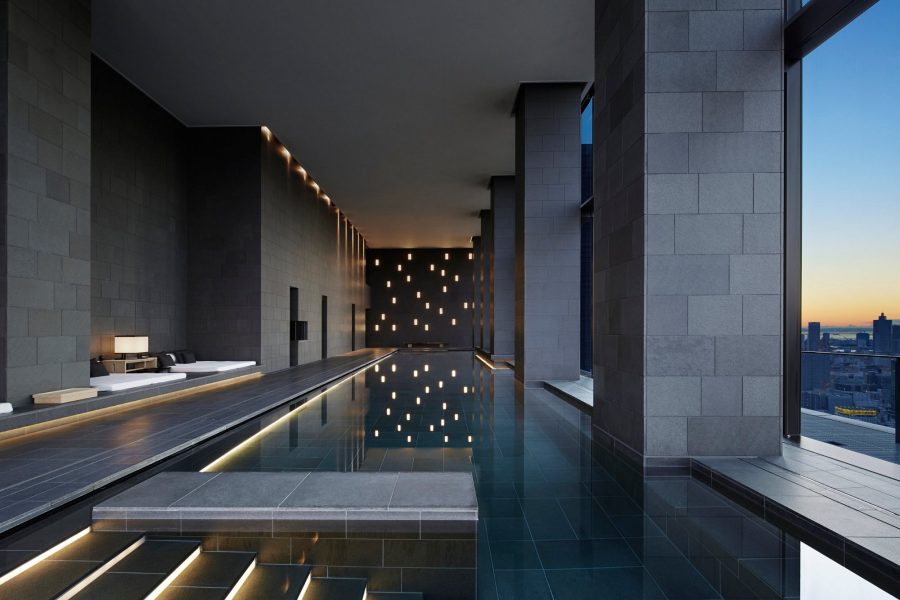
Japan’s luxury lies in precision, restraint, and cultural depth rather than scale. Properties such as Aman Tokyo deliver serene, architectural calm in the heart of major cities, while countryside ryokan offer deeply personal hospitality.

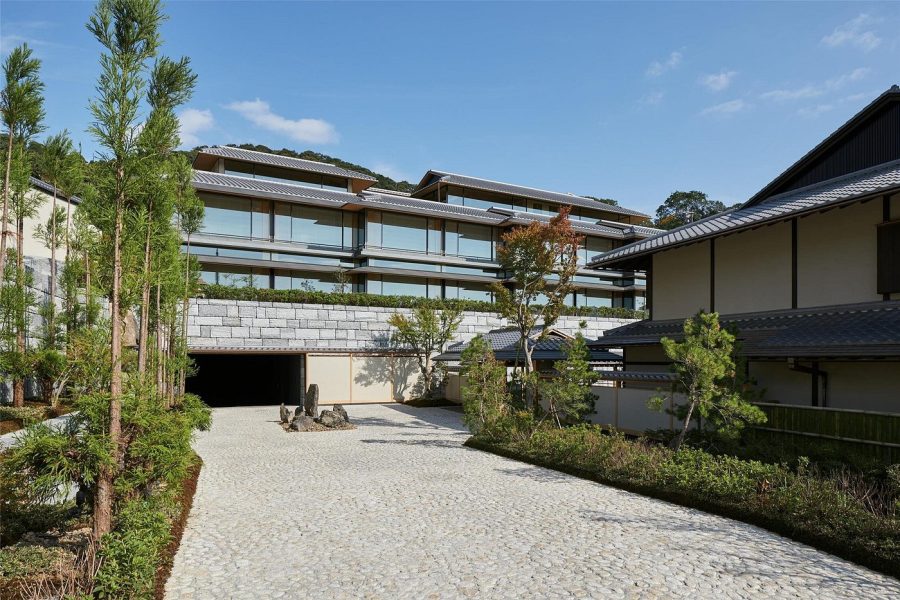
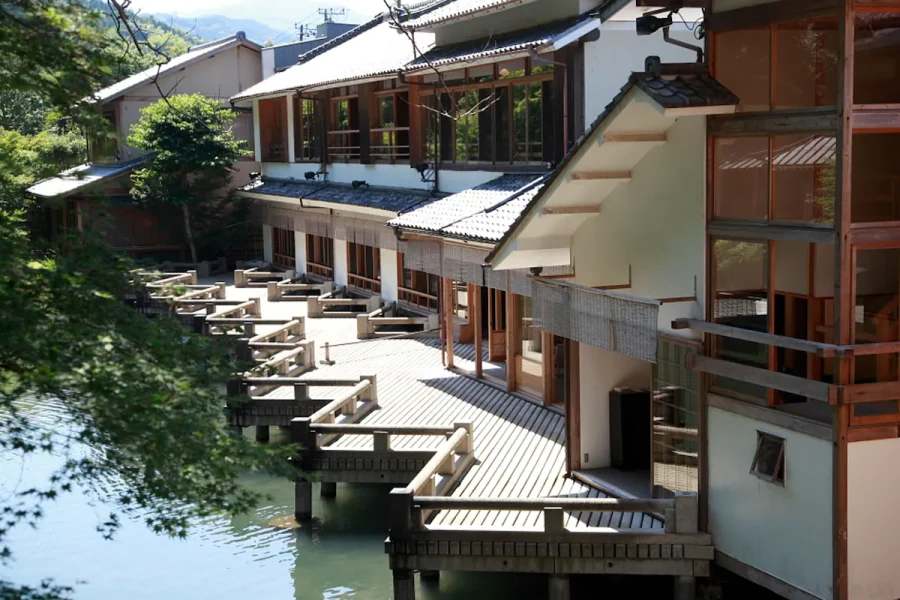
Japanese luxury prioritises silence, ritual, and craft. Unlike resort-led destinations, Japan’s high end often centres on urban sanctuaries and intimate ryokan, exemplified by Hoshinoya Kyoto.

Japan appeals to design-conscious travellers, food-focused guests, and those seeking order, discretion, and cultural immersion rather than nightlife or beach leisure.

Yes. Many luxury hotels operate with controlled access, private entrances, and impeccable privacy protocols, particularly in Tokyo, Kyoto, and Hakone.

Luxury hotels combine location, architecture, and service choreography. The Peninsula Tokyo is known for large rooms, fleet chauffeur service, and seamless city access.

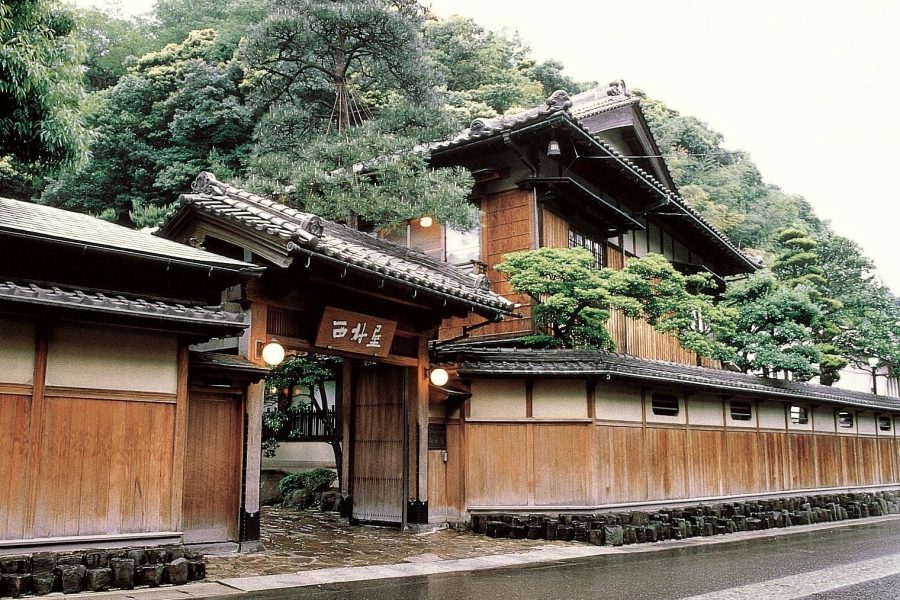
Yes. Ryokan emphasise space, tatami rooms, private baths, and kaiseki dining. Hoshinoya Tokyo adapts this tradition to a contemporary urban tower.

Yes, particularly in Hakone, Niseko, and rural regions, where villas may include private onsen, staff, and curated dining, often booked for extended stays.

They often exceed benchmarks in service precision and cleanliness, though rooms may be more compact in cities—offset by exceptional design and functionality.

Very. Japan excels at low-key, design-led boutique properties, especially in Kyoto and regional destinations, with limited room counts and high staff-to-guest ratios.

Central. Japan hosts more Michelin-starred restaurants than any other country. Many luxury hotels integrate destination dining, including chef-led kaiseki and omakase experiences.

Yes. Guests can book private tatami-room kaiseki, chef’s counter omakase, or in-room seasonal menus, often tailored to dietary preferences.

Yes. Wellness is rooted in onsen culture, bathing rituals, and seasonal living. Amanemu is a leading example, centred on mineral-rich hot springs.

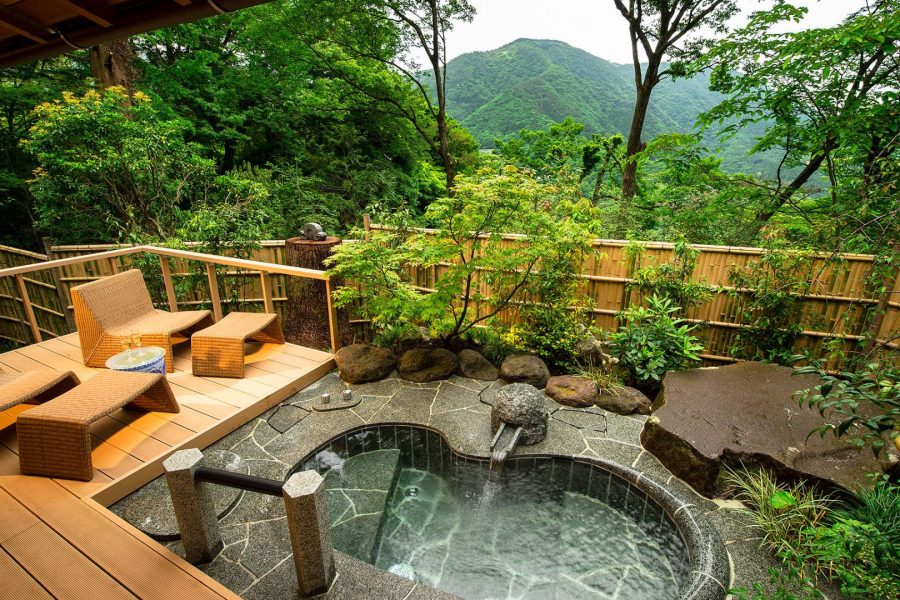
Many high-end ryokan and villas offer in-room or reservable private onsen, essential for guests prioritising privacy.

Concierges organise private tea ceremonies, guided temple access, art and architecture tours, and seasonal festivals, often timed to avoid crowds.

Tokyo for urban sophistication, Kyoto for heritage and ryokan, Osaka for dining, and Sapporo/Niseko for winter luxury.

Yes. Regions such as Hakone, Ise-Shima, and the Japanese Alps offer resort-style luxury focused on nature and onsen rather than amenities scale.

Very much so. Many travellers combine Tokyo, Kyoto, and a countryside onsen stay over 10–14 days.

Japan offers excellent global connectivity, with efficient airport transfers, bullet trains, and hotel-arranged chauffeurs simplifying multi-city travel.

Yes, particularly in spacious suites, villas, and ryokan with private baths, though many experiences are naturally adult-oriented.

Japan is often a standalone itinerary due to its internal diversity, though some travellers pair it with South Korea or Taiwan.

Stories, tips, and guides

How Many Tourists Visit Japan Each Year? [Japan Tourism Statistics]

Japan’s tourism industry has made a record-breaking comeback after the…

How Many Tourists Visit Tokyo Each Year? [30+ Tokyo Tourism Statistics]

Tokyo isn’t just the capital of Japan—it ranks as the…

25+ Solo Travel Statistics and Trends [2026 Edition]

Solo travel has shifted from being a niche activity to…

20 + Cherry Blossom Tourism Statistics [2026 Update]

Cherry blossom travel is surging on both sides of the…
swimming pool

Join the Hotelagio Private List

Discover exceptional hotels and villas selected and shared only with subscribers