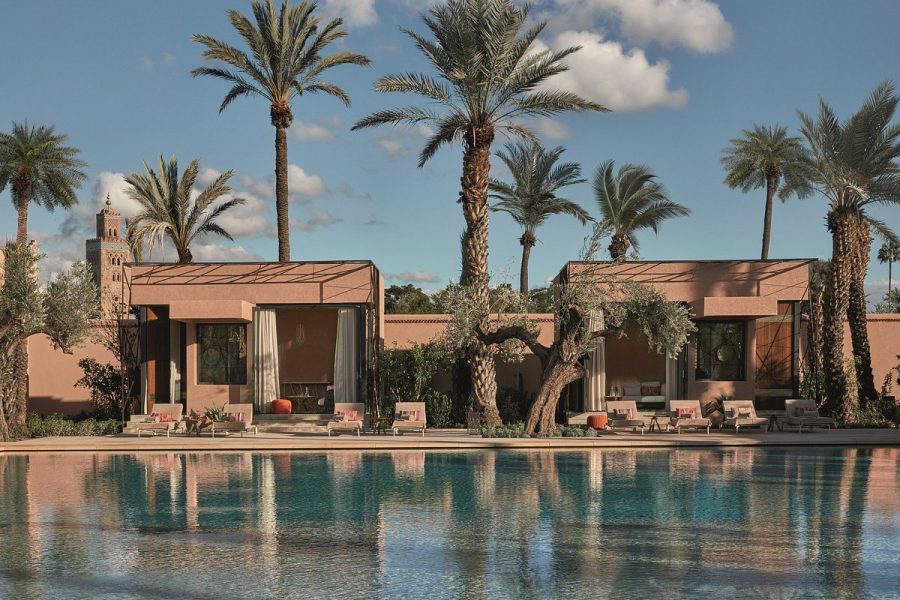
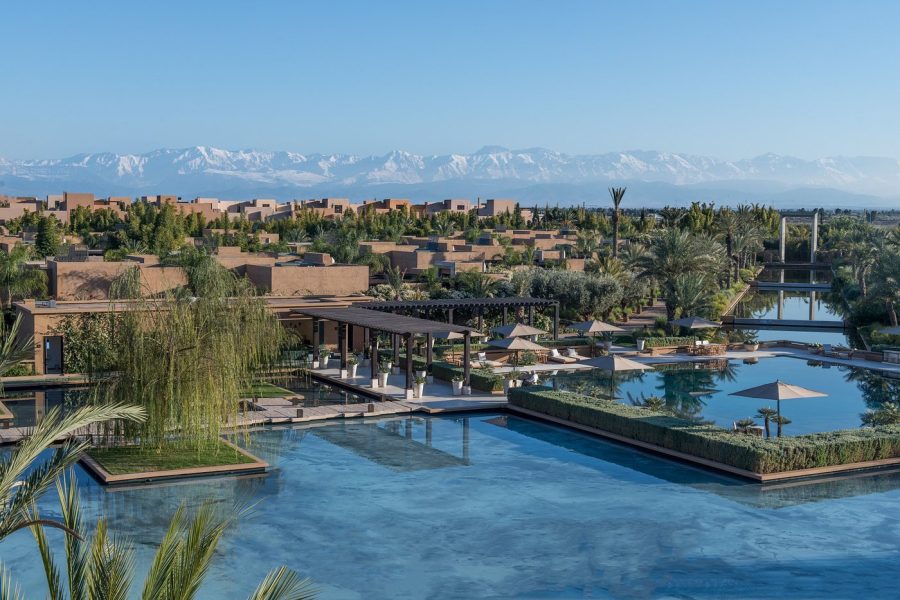
Luxury Hotels & Villas in Morocco

Morocco FAQ

Morocco combines historic architecture, strong hospitality traditions, and geographic variety within short travel distances. Travellers can stay in a palace riad such as Royal Mansour Marrakech and reach the Atlas Mountains or Atlantic coast within a few hours by private transfer.

Morocco offers greater privacy and space at comparable price points. A private riad in Marrakech or a villa outside Essaouira often includes staff, courtyards, and pools—features rarely available in central European cities.

High-end travellers typically focus on Marrakech, the Atlas Mountains, Essaouira, the Agafay Desert, and Tangier. Each serves a different purpose, from city culture to coastal relaxation or mountain seclusion.

Yes. Many luxury properties are inward-facing and gated. Riads such as La Mamounia and private villas in Palmeraie offer strong discretion and controlled access.

Luxury in Morocco is defined by architecture, privacy, and service intensity rather than scale. At Royal Mansour Marrakech, guests stay in individual riads, each with private courtyards and rooftop terraces.

Yes. Riads are private, inward-facing residences, often with fewer than 20 rooms. Riad Farnatchi is a well-known example, offering suite-only accommodation with personalised service.

Yes, particularly around Marrakech, Essaouira, and the Atlas foothills. Villas typically include private pools, housekeeping, cooks, and security, and are often booked for families or extended stays.

The Medina is favoured for riads and heritage hotels, while Palmeraie and Hivernage offer resort-style properties and villas with more space, as seen at Amanjena.

International brands operate at global standards, but Morocco’s strongest properties are often independent and design-led, focusing on craftsmanship, gardens, and bespoke service rather than uniform branding.

Hotels regularly arrange private medina access, Atlas Mountain excursions, and desert camps. Guests at Kasbah Tamadot often combine mountain hikes with private dining and spa treatments.

Yes. High-end desert camps in Agafay or the Sahara offer tented suites, private dining, and stargazing. These are typically paired with Marrakech stays via private transfer.

Fine dining is a major strength. La Mamounia hosts refined Moroccan and international restaurants, while riads often offer private, chef-led dining tailored to guest preferences.

Spas are a defining feature, particularly traditional hammams. Amanjena offers a destination spa with private pavilions, while city riads provide intimate, candle-lit hammam rituals.

Yes. Many travellers visit specifically for slow luxury, combining spa programmes, yoga, and minimal sightseeing, particularly in mountain or desert settings.

Morocco is well connected via Marrakech, Casablanca, and Tangier airports, with most luxury hotels offering chauffeur-driven transfers and VIP airport handling.

Yes. Private villas and resort-style hotels such as Amanjena cater well to families, offering space, pools, and flexible dining.

Many riads and boutique hotels naturally attract adults due to their quiet atmosphere and design focus. Riad Farnatchi is frequently chosen by couples and solo travellers.

Luxury travellers typically prefer March to May and September to November, when temperatures suit outdoor dining, spa use, and excursions without peak summer heat.

Top-tier riads and villas often require 3–6 months’ advance booking, especially during spring and autumn high season.

Yes. Many travellers stay 10–14 nights, combining Marrakech with the Atlas Mountains, Essaouira, or a desert camp, often without repeating accommodation styles.

Stories, tips, and guides

How Many Tourists Visit Morocco Each Year? [Morocco Tourism Statistics]

Morocco has become one of Africa’s fastest-growing travel destinations —…
swimming pool

Join the Hotelagio Private List

Discover exceptional hotels and villas selected and shared only with subscribers