Luxury Hotels & Villas in Gora, Japan

Gora, Japan​ FAQ

Gora sits at a higher elevation than Hakone-Yumoto, offering cooler air, mountain views, and quieter surroundings. It is widely regarded as Hakone’s most refined enclave, anchored by properties such as Gora Kadan, a former imperial family retreat that set the standard for modern ryokan luxury.

Hakone-Yumoto functions as a transport hub with larger hotels and higher visitor traffic. Gora, by contrast, is residential, discreet, and ryokan-led, prioritising privacy and wellness over convenience.

Gora appeals to couples, honeymooners, high-net-worth individuals, and repeat visitors to Japan seeking tranquillity, onsen immersion, and discreet service rather than sightseeing volume.

Yes. Many guests stay 1–3 nights, using Gora as a concentrated wellness and dining retreat immediately after Tokyo.

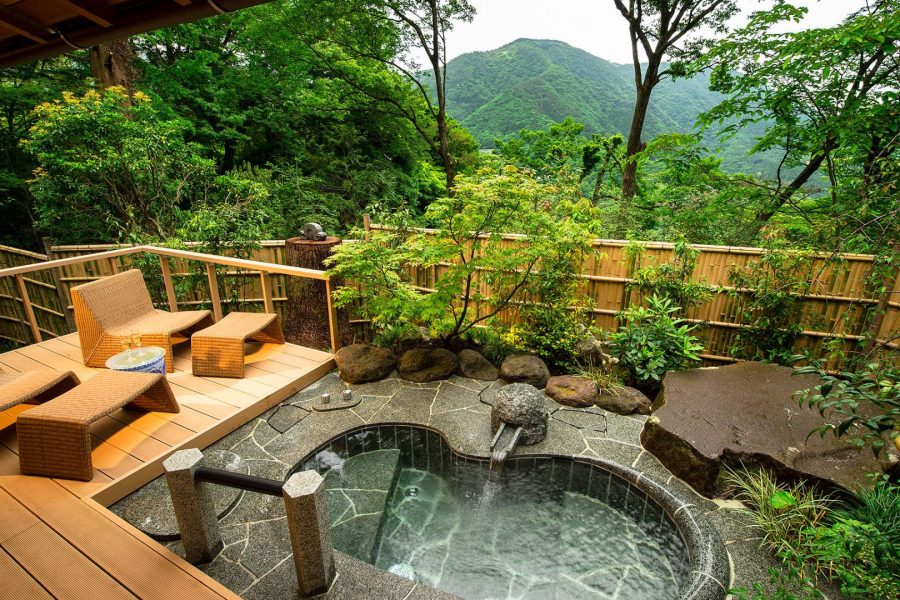
Luxury in Gora is defined by onsen quality, architectural restraint, and service choreography. At Gora Kadan, suites feature tatami living, private gardens, and in-room or reservable open-air baths.

Yes. Gora is overwhelmingly ryokan-led, with high-end properties offering tatami suites, private or semi-private onsen, and multi-course kaiseki dining as standard.

Standalone villas are rare, but many top-tier ryokan offer villa-style suites or detached pavilions with private entrances, gardens, and baths, effectively functioning as private residences.

Gora properties prioritise space, silence, and immersion, while Tokyo hotels focus on service scale and urban access. Many luxury itineraries deliberately combine both.

Yes. Most properties operate with limited room counts, often under 40 keys, ensuring high staff-to-guest ratios and calm communal spaces.

It is central. Gora is renowned for high-quality mineral-rich hot springs, and daily bathing rituals are a defining part of the luxury experience.

Yes. Many premium suites include private open-air baths, while other properties offer reservable private onsen sessions for complete discretion.

Dining is a cornerstone. Kaiseki menus focus on seasonal mountain produce, Sagami Bay seafood, and refined presentation, often served privately in-room.

Yes. In-room kaiseki dining is common, allowing guests to dine privately without shared restaurant spaces.

Concierges arrange private visits to the Hakone Open-Air Museum, guided Fuji-view walks, Lake Ashi cruises, and seasonal cultural experiences, often timed to avoid crowds.

Yes. Gora sits on the Hakone Tozan Railway, offering scenic access to Lake Ashi, Owakudani, and Hakone Shrine while remaining quieter than lower areas.

Gora offers stronger onsen culture and service depth, while Kawaguchiko prioritises direct Mount Fuji lake views. Travellers often choose based on wellness versus scenery.

Yes. Many guests remain entirely within their ryokan, using Gora as a destination retreat rather than a sightseeing base.

Gora is approximately 90–120 minutes from Tokyo, reached via Odawara by train or private car. Luxury properties regularly arrange chauffeur-driven transfers.

Yes. Gora’s residential setting, private entrances, and low guest density make it ideal for privacy-sensitive guests.

It can be, particularly in large suites or villa-style rooms, though the atmosphere is primarily adult-oriented and focused on quiet.

Stories, tips, and guides

How Many Tourists Visit Japan Each Year? [Japan Tourism Statistics]

Japan’s tourism industry has made a record-breaking comeback after the…

How Many Tourists Visit Tokyo Each Year? [30+ Tokyo Tourism Statistics]

Tokyo isn’t just the capital of Japan—it ranks as the…

25+ Solo Travel Statistics and Trends [2026 Edition]

Solo travel has shifted from being a niche activity to…

20 + Cherry Blossom Tourism Statistics [2026 Update]

Cherry blossom travel is surging on both sides of the…
swimming pool

Join the Hotelagio Private List

Discover exceptional hotels and villas selected and shared only with subscribers