Luxury Hotels & Villas in Toyooka City, Japan

Toyooka City, Japan​ FAQ

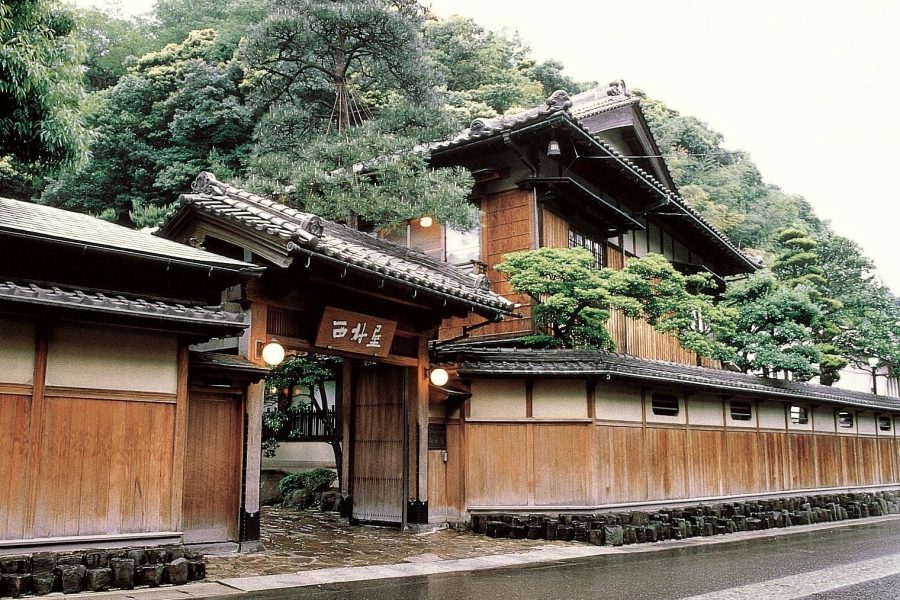
Toyooka City is home to Kinosaki Onsen, one of Japan’s most historically intact hot spring towns. Luxury here is rooted in tradition, walkability, and ritual, with properties such as Nishimuraya Honkan setting national benchmarks for ryokan hospitality.

Unlike Hakone’s resort-style dispersion, Toyooka’s luxury is town-centred and communal. Guests walk the streets in yukata, moving between bathhouses, dining, and their ryokan, creating a deeply immersive experience rather than a secluded retreat.

Toyooka appeals to culture-first travellers, couples, and repeat visitors to Japan who value authenticity, ritual, and atmosphere over modern spa infrastructure.

Yes. Most guests stay 2–4 nights, allowing time to fully experience onsen bathing, seasonal dining, and the town’s rhythm without rushing.

Luxury is defined by heritage architecture, service choreography, and dining quality rather than room count. Nishimuraya Honkan exemplifies this with historic buildings, manicured gardens, and refined kaiseki service.

Yes. Toyooka’s high-end segment is almost exclusively ryokan-based, with tatami suites, futon bedding, and personalised service forming the core experience.

Standalone villas are extremely rare. Luxury travellers instead choose premium ryokan suites or annex buildings with private entrances and baths.

They prioritise atmosphere, ritual, and personal attention over amenity scale. Service intimacy often exceeds that of urban five-star hotels.

Yes. Leading ryokan typically operate with limited room counts, ensuring quiet communal areas and high staff-to-guest ratios.

Onsen culture is the entire reason to visit. Kinosaki Onsen’s seven public bathhouses form a core ritual, complemented by private bathing at high-end ryokan.

Yes. Many premium suites include private open-air baths, while others offer reservable private onsen sessions for discretion.

Exceptional. Kaiseki menus highlight Tajima beef (the lineage of Kobe beef), seasonal vegetables, and winter crab, often sourced locally and prepared with traditional techniques.

Yes. In-room kaiseki dining is standard at upper-tier ryokan, allowing guests to dine privately in tatami suites.

Ryokan arrange guided town walks, seasonal festivals, craft visits, and coastal excursions to the Sea of Japan, often outside peak hours.

Luxury stays are concentrated in Kinosaki Onsen, rather than central Toyooka, ensuring direct access to bathhouses, canals, and traditional streets.

Yes. Toyooka pairs well with Kyoto or Osaka, offering a contrast between cultural cities and onsen immersion.

For many travellers, yes. The absence of large resorts and modern sprawl preserves a sense of continuity rarely found elsewhere.

Toyooka is reached via Kyoto or Osaka by limited express train, followed by a short local connection to Kinosaki Onsen. Ryokan often arrange station pick-up.

Yes. Private dining, in-room baths, and controlled guest volumes make Toyooka suitable for privacy-sensitive guests.

It can be, particularly for families with older children interested in Japanese culture, though the atmosphere is largely adult-oriented.

Stories, tips, and guides

How Many Tourists Visit Japan Each Year? [Japan Tourism Statistics]

Japan’s tourism industry has made a record-breaking comeback after the…

How Many Tourists Visit Tokyo Each Year? [30+ Tokyo Tourism Statistics]

Tokyo isn’t just the capital of Japan—it ranks as the…

25+ Solo Travel Statistics and Trends [2026 Edition]

Solo travel has shifted from being a niche activity to…

20 + Cherry Blossom Tourism Statistics [2026 Update]

Cherry blossom travel is surging on both sides of the…
swimming pool

Join the Hotelagio Private List

Discover exceptional hotels and villas selected and shared only with subscribers