Luxury Hotels & Villas in Kanto, Japan

Kanto, Japan FAQ

Kanto combines one of the world’s great luxury cities (Tokyo) with onsen retreats, coastal enclaves, and UNESCO-listed heritage sites—all within short travel times. Guests can stay at Aman Tokyo and reach Hakone or Kamakura in under two hours.

Kansai emphasises heritage density and tradition; Kanto offers scale, variety, and flexibility. Luxury travellers in Kanto can combine cutting-edge urban hotels with mountain onsen and seaside villas without changing regions.

Kanto appeals to first-time visitors to Japan, repeat high-net-worth travellers, business-class guests, and families, thanks to its infrastructure, choice, and efficiency.

Yes. Many luxury travellers design 3–7 night itineraries combining Tokyo with one nearby retreat such as Hakone or the Izu Peninsula.

Luxury in Kanto is defined by service precision, location strategy, and range—from skyscraper hotels in Tokyo to heritage ryokan in Hakone. Aman Tokyo and Gora Kadan represent opposite ends of Kanto’s luxury spectrum.

Yes. Kanto hosts Japan’s strongest concentration of global five-star brands, particularly in Tokyo and Yokohama, offering consistent international standards.

Yes. Hakone and Nikko feature elite ryokan with private onsen, kaiseki dining, and discreet service, rivaling the country’s best traditional properties.

Yes, particularly in Hakone, Hayama, the Miura Peninsula, and parts of Chiba, where villas offer sea or mountain views, private gardens, and staff on request.

Kanto properties excel in logistics, choice, and service depth, though travellers seeking deep rural immersion may prefer Chubu or Kyushu.

Exceptional. Tokyo alone hosts more Michelin-starred restaurants than any other city globally, with luxury hotels offering concierge access to elite sushi, kaiseki, and omakase counters.

Yes. While Tokyo focuses on spa and fitness luxury, destinations like Hakone prioritise onsen immersion, seasonal bathing, and slow wellness rituals.

Yes. High-end ryokan in Hakone and Nikko offer in-room open-air baths or reservable private onsen, essential for privacy-focused travellers.

Yes. Hayama and Kamakura provide discreet seaside luxury, yacht access, and villa-style accommodation away from mass tourism.

Concierges arrange private temple access in Nikko, Lake Ashi cruises, Fuji-view walks, yacht charters from Hayama, and curated Tokyo dining itineraries.

Yes. Kanto is Japan’s strongest region for dual-stay itineraries, often splitting time between Tokyo and a nearby onsen or coastal area.

Both. Many travellers base themselves in Tokyo while adding 1–2 short luxury escapes without changing regions.

Kanto is served by Haneda and Narita airports, offering the country’s best international connectivity and smooth private transfer options.

Yes. Private floors, controlled-access ryokan, and experienced concierge teams support privacy-sensitive guests throughout the region.

Yes. Spacious suites, villas, and efficient transport make Kanto particularly suitable for multigenerational travel.

For peak seasons and iconic properties, 3–6 months’ advance booking is recommended; Tokyo business travel may require less lead time.

Stories, tips, and guides

How Many Tourists Visit Japan Each Year? [Japan Tourism Statistics]

Japan’s tourism industry has made a record-breaking comeback after the…

How Many Tourists Visit Tokyo Each Year? [30+ Tokyo Tourism Statistics]

Tokyo isn’t just the capital of Japan—it ranks as the…

25+ Solo Travel Statistics and Trends [2026 Edition]

Solo travel has shifted from being a niche activity to…

20 + Cherry Blossom Tourism Statistics [2026 Update]

Cherry blossom travel is surging on both sides of the…
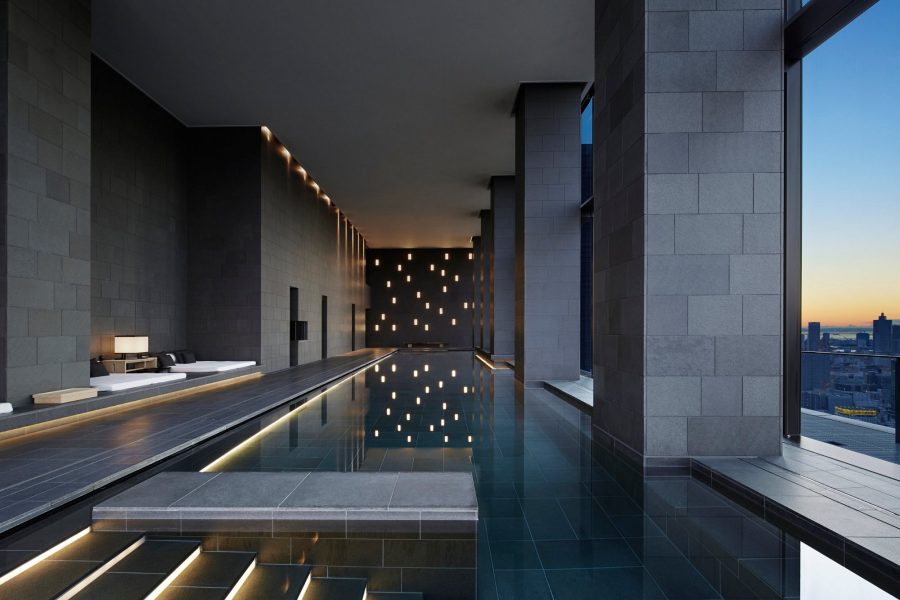
swimming pool

Join the Hotelagio Private List

Discover exceptional hotels and villas selected and shared only with subscribers