Luxury Hotels & Villas in Europe

Best stays in Europe

Europe FAQ

Europe offers an unmatched range of luxury contexts within short travel distances. Travellers can move between Alpine retreats, Mediterranean beach resorts, historic capitals, and countryside estates—often within a single itinerary—while maintaining consistent five-star service standards.

Europe appeals to travellers who value culture, history, gastronomy, and architectural distinction alongside comfort. It attracts couples, multi-generational families, and seasoned luxury travellers seeking variety rather than a single-style resort experience.

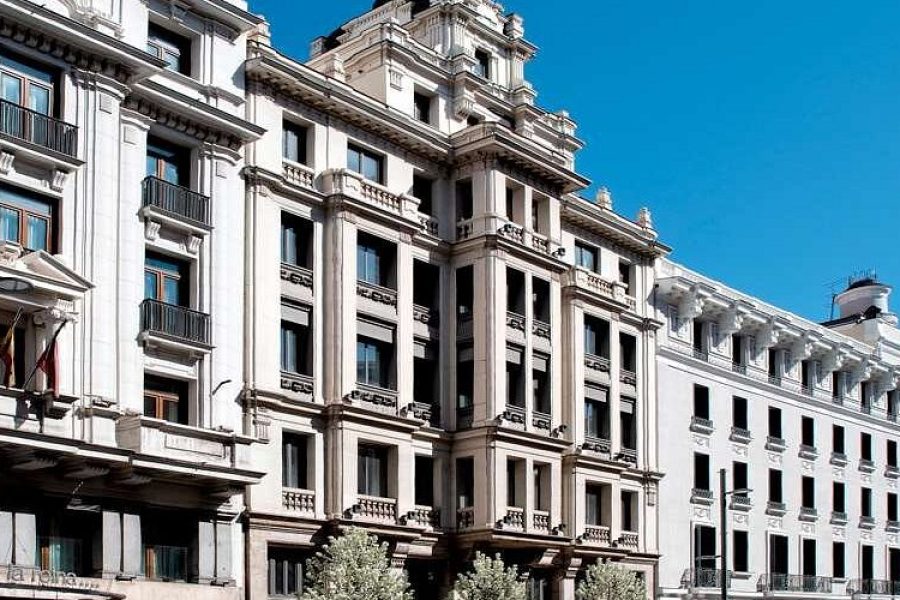
European luxury is rooted in heritage and place. Properties such as Hotel de Russie or Tuscan vineyard estates emphasise history, walkability, and local culture rather than scale, spectacle, or all-inclusive formats.

Yes. Europe excels at blending city and retreat stays. A traveller might combine Parisian palace hotels with a countryside château in Provence or a lakeside villa in northern Italy without long-haul flights.

European luxury accommodation prioritises location, service depth, and architectural character. Whether staying at Badrutt’s Palace Hotel or a private villa on Lake Como, guests expect refined interiors, concierge-led experiences, and a strong sense of place.

Iconic regions include the French Riviera, the Italian Lakes, the Swiss Alps, Paris, London, and Spain’s Balearic Islands. Each offers a distinct interpretation of luxury, from coastal glamour to mountain seclusion.

Yes. Europe has one of the world’s strongest villa markets. Destinations such as Tuscany, the Amalfi Coast, Ibiza, and Provence offer fully serviced villas with private pools, staff, and concierge services comparable to five-star hotels.

Many of Europe’s most prestigious hotels are boutique in scale, often converted palaces, historic residences, or manor houses. Large resorts exist, but understated, low-density luxury is more common.

Yes. Alpine resorts, Mediterranean villas, and countryside estates often cater well to families, offering space, privacy, and tailored services such as private chefs and activity planning.

Europe is the global benchmark for fine dining. Guests can access Michelin-starred restaurants, private wine tastings, and chef-led experiences, often arranged directly through hotel concierges or villa managers.

Yes. Destinations such as Switzerland, Austria, and Italy are known for destination spas, thermal baths, and wellness retreats integrated into luxury hotels and alpine resorts.

Absolutely. Private museum tours, after-hours gallery access, classical concerts, and heritage site visits are frequently arranged for luxury guests, particularly in cities such as Rome, Paris, and Vienna.

Yes. The Mediterranean is central to Europe’s yachting culture. Guests often combine hotel or villa stays with private yacht charters along the French Riviera, Greek Islands, or Croatian coast.

Very much so. Europe’s density of destinations allows concierge teams to design multi-country itineraries combining cities, countryside, and coast with minimal travel friction.

Yes. Europe offers strong seasonality advantages: summer for the Mediterranean, winter for Alpine ski resorts, and year-round appeal for major cities such as London and Paris.

Europe benefits from excellent international air connectivity and high-speed rail networks. Luxury travellers can move efficiently between countries without compromising comfort.

Luxury travellers often plan trips of 10–21 days, combining multiple destinations. Villas and countryside estates are particularly well suited to longer stays.

Privacy standards are high, particularly in villa accommodation and countryside hotels. Many European luxury properties are accustomed to hosting high-profile guests discreetly.

Rarely. Luxury hotels and villa services operate in English as standard, with multilingual concierge teams available in major destinations.

Yes, though it rewards planning. Europe’s diversity allows travellers to tailor experiences precisely, whether prioritising culture, relaxation, gastronomy, or scenery.

Stories, tips, and guides

40+ Tourism in Europe Statistics [2026 Update]

Europe is the world’s tourism powerhouse, welcoming 747 million international…

40+ UK Tourism Statistics [2026 Edition]

Tourism is one of the UK’s most important industries, contributing…

How Many Tourists Visit France Each Year? [30+ France Tourism Statistics]

France isn’t just a destination — it’s the world’s number…

How Many Tourists Visit Spain Each Year? [Spain Tourism Statistics]

Spain remains one of the world’s tourism powerhouses — a…

How Many Tourists Visit Portugal Each Year? [Portugal Tourism Statistics]

Portugal continues to establish itself as a top-tier destination in…

How Many Tourists Visit Italy Each Year? [30+ Italy Tourism Statistics]

Italy is one of the most visited countries in the…

How Many Tourists Visit Poland Each Year? [Poland Tourism Statistics]

Poland has become one of Europe’s fastest-recovering and increasingly diverse…

How Many Tourists Visit the Netherlands Each Year? [30+ Netherlands Tourism Statistics]

The Netherlands is more than tulips, canals, and windmills —…
swimming pool

Join the Hotelagio Private List​​​

Discover exceptional hotels and villas selected and shared only with subscribers​​​